The Importance of Ergonomic Hospital Bed Design
The Importance of Ergonomic Hospital Bed Design

The Importance of Ergonomic Hospital Bed Design
Healthcare infrastructure is far more than just equipment—it directly influences patient outcomes and caregiver efficiency.
For many years, hospital bed design prioritised durability and cost over patient comfort and clinical functionality. Today, that perspective has shifted. Modern healthcare increasingly recognises ergonomic hospital beds as a critical factor in improving patient recovery, enhancing caregiver efficiency, and ensuring overall hospital safety.
This blog explores why ergonomic hospital bed design should be a central consideration in healthcare procurement and facility planning.
1. What is Ergonomic Hospital Bed Design?
Ergonomics is the science of designing products that align with the human body to improve comfort, efficiency, and safety.
In hospital beds, ergonomics operates across two key dimensions:
- Patient ergonomics: How effectively the bed supports positioning, comfort, and mobility.
- Caregiver ergonomics: How easily healthcare professionals can interact with the bed during treatment and daily care.
A truly ergonomic hospital bed balances both. A design that supports the patient but strains the caregiver—or vice versa—is incomplete.
- The Patient Perspective: Recovery, Dignity, and comfort
2.1 Pressure Injury Prevention
Pressure injuries (bedsores) are a growing concern across Indian hospitals with studies suggesting 8-12 percent for short and up to 25 percent in long-term care setting – a big burden given on patient to nurse ratio in India along with tier-2 and tier-3 healthcare expansions. Ergonomically design air mattress is also used which uses machine to inflate and deflate the mattress and make the skin less touching to the bed and avoid bed sores for long time which helps focal pressure and relieve tissue perfusions.
2.2 Respiratory and circulatory benefits
Fowler and semi-fowler’s positioning, enabled by motorised head and knee articulation, reduce the risk of ventilator-associated pneumonia in mechanically ventilated patients and improve venous return in those with cardiac compromise. A bed that enables critical positioning repeatable is not luxury-it is a clinical intervention.
2.3 Safe Patient Mobilisation
Early mobilisation is strongly associated with short time ICU stays and reduce delirium (Delirium is a serious, sudden-onset medical condition involving acute confusion, reduced awareness, and fluctuating mental function, often caused by illness, infection, or medication) with height adjustment and step stool ready and side-rail allow patient to sit, stand and sleep with minimal assistance.
- The Caregiver Perspective: Preventing Musculoskeletal Injury
In India, the National Institute of Occupational Health (NIOH) has highlighted musculoskeletal disorders (MSDs) as one of the leading occupational health concerns among nursing staff. With nurse-to-patient ratios often running as high as 1:10 in government hospitals, the physical demands of manual patient handling are immense — contributing to early burnout, chronic back injuries, and attrition from the profession. Ergonomic bed design directly mitigates these risks:
- Electric height adjustment: Bringing the working surface to waist level eliminates the need for nurses to lean over the bed during assessments, wound care, and repositioning tasks.
- Lateral tilt: Rotating the patient to a side-lying position reduces manual handling effort during dressing changes and catheter care.
- Integrated scales: Eliminating manual patient transfers to a weighing chair removes a high-risk lift from daily care routines.
- CPR backboard functionality: Automatic hardening of the mattress surface during cardiac arrest protects nurses from awkward postures during compressions.
- The Technology Integration Imperative
Contemporary ergonomic beds are nodes in the hospital's digital infrastructure. Integration with electronic medical records (EMR) allows bed-generated data — weight readings, position angles, time-in-position logs — to flow directly into the patient record without manual transcription, reducing documentation errors and nursing workload.
Nurse call integration enables one-touch assistance requests directly from the bed controls, reducing patient anxiety and response time. Some platforms now include predictive analytics that flag patients at elevated fall risk based on movement patterns, enabling proactive intervention before an incident occurs.
As India's Ayushman Bharat Digital Mission (ABDM) pushes hospitals toward connected health records, the bed must be designed to participate fluently in this digital layer — a key step in bridging the gap between India's ambitious health-tech vision and ward-level clinical reality.
- Design for Diverse Patient Populations
A truly ergonomic bed is designed for the full spectrum of human bodies, not just an average. This means:
- bariatric variants with reinforced frames, wider sleep surfaces, and higher weight capacities for patients with obesity.
- paediatric configurations with smaller dimensions, colourful interfaces, and features that accommodate a parent's presence.
- palliative and long-stay beds that prioritise maximum comfort, aesthetic warmth, and family-oriented design language.
- Accessible control interfaces with large tactile buttons and simplified iconography for patients with cognitive or motor impairments.
- The Economic Case: ROI Beyond the Price Tag
Hospital administrators in India — particularly under NABH accreditation requirements and the National Quality Assurance Standards (NQAS) — are under increasing pressure to demonstrate measurable patient safety outcomes. A total-cost-of-ownership analysis consistently favours the investment in ergonomic beds:
- Reduced pressure injury rates lower treatment costs that can run into tens of thousands of dollars per patient episode.
- Fewer staff MSDs reduce workers' compensation claims, agency staffing costs, and institutional knowledge loss from experienced nurses leaving the profession early.
- Lower fall rates reduce litigation exposure and never-event penalties from payers.
- Shorter length of stay driven by faster functional recovery reduces bed-day costs and increases throughput.
- Sustainability and Infection Control
Ergonomic design today also encompasses antimicrobial surface materials, seamless mattress covers that resist liquid ingress, and modular component architectures that allow targeted part replacement rather than whole-unit disposal. These features reduce cross-contamination risk, simplify decontamination workflows, and extend the productive life of the bed.
Leading manufacturers are increasingly publishing environmental product declarations (EPDs) and designing for disassembly — ensuring that ergonomic beds contribute to, rather than conflict with, hospital sustainability commitments.
Conclusion: Beds as Clinical Infrastructure
The hospital bed is not passive furniture. In an ergonomically advanced form, it is active clinical infrastructure — one that repositions patients to prevent pulmonary compromise, alerts nurses to impending falls, provides body-weight data to the EMR, and protects the musculoskeletal health of every clinician who delivers care at the bedside.
Procurement decisions made today will shape the clinical environment for the next decade. As patient acuity rises, nursing shortages deepen, and regulatory scrutiny of preventable adverse events intensifies, the ergonomic quality of the hospital bed will increasingly separate high-performing healthcare institutions from the rest.
Invest in ergonomic bed design. The return is measured not just in reduced costs, but in lives improved — for patients and for the professionals who dedicate their careers to caring for them.
How KRAFT Upholds Ergonomic Hospital Bed Design
At KRAFT, ergonomic excellence is not an afterthought — it is the engineering foundation on which every hospital bed is built. KRAFT's design philosophy centres on the belief that a well-designed bed must serve three stakeholders simultaneously: the patient recovering in it, the nurse caring beside it, and the institution accountable for both.
KRAFT hospital beds are engineered with motorised multi-section profiling that enables precise Fowler's, Trendelenburg, and lateral tilt positioning — giving clinical teams the control they need to manage respiratory, circulatory, and wound-care requirements with accuracy. Electric height adjustment, operable from both the head-end and foot-end of the bed, brings the working surface to a safe caregiver height at the touch of a button, directly reducing the lumbar load on nursing staff in high-demand Indian hospital environments.
From government district hospitals expanding their ICU capacity to premium private healthcare groups investing in patient experience, KRAFT delivers ergonomic hospital bed solutions that are purpose-built for the realities of Indian healthcare — combining clinical precision, caregiver protection, and long-term durability in every unit.

Fowler Bed with Mattress: A Complete Buying Guide for Hospitals and Home Care
The Importance of Ergonomic Hospital Bed Design The Importance of Ergonomic Hospital Bed ...

General
Why do hospital beds have side rails and why are hospital bed side rails removable?
The Importance of Ergonomic Hospital Bed Design The Importance of Ergonomic Hospital Bed ...

General
What makes Single function Semi-automatic Motorized bed stand out in the Market?
The Importance of Ergonomic Hospital Bed Design The Importance of Ergonomic Hospital Bed ...

General
Hospital Beds with Wheels — Why Castors Matter More Than You Think
The Importance of Ergonomic Hospital Bed Design The Importance of Ergonomic Hospital Bed ...

General
Hospital Furniture Color Selection: Why is it Important?
The Importance of Ergonomic Hospital Bed Design The Importance of Ergonomic Hospital Bed ...

General
Manual Hospital Beds in India: Why They Still Dominate Healthcare
The Importance of Ergonomic Hospital Bed Design The Importance of Ergonomic Hospital Bed ...

General
How to Increase Customer Experience in the Healthcare Sector with KRAFT Solutions
The Importance of Ergonomic Hospital Bed Design The Importance of Ergonomic Hospital Bed ...

General
Hospital Bed Capacity: Rural Areas vs Urban Areas — Why the Gap Matters and How to Close It
The Importance of Ergonomic Hospital Bed Design The Importance of Ergonomic Hospital Bed ...

General
How to Assemble, Set Up, and Maintain Hospital Beds
The Importance of Ergonomic Hospital Bed Design The Importance of Ergonomic Hospital Bed ...

General
Why Is It Important to Meet Us at Medicall Expo Every Year ?
The Importance of Ergonomic Hospital Bed Design The Importance of Ergonomic Hospital Bed ...

General
FAQ for Hospital Bed
The Importance of Ergonomic Hospital Bed Design The Importance of Ergonomic Hospital Bed ...

General
What to Do When a Motorized Hospital Bed Stops Working: A Step-by-Step Guide
The Importance of Ergonomic Hospital Bed Design The Importance of Ergonomic Hospital Bed ...

General
What Else Should You Order Apart from a Hospital Bed for a Homecare Patient?
The Importance of Ergonomic Hospital Bed Design The Importance of Ergonomic Hospital Bed ...

2 Function Hospital bed – A detailed preview
The Importance of Ergonomic Hospital Bed Design The Importance of Ergonomic Hospital Bed ...

KRAFT 144 – The Ideal Single-Function Hospital Bed for Ward & Home Care
The Importance of Ergonomic Hospital Bed Design The Importance of Ergonomic Hospital Bed ...

General, General
India Hospital Furniture Market Overview
The Importance of Ergonomic Hospital Bed Design The Importance of Ergonomic Hospital Bed ...

General
Complete Guide to Choosing the Right Hospital Furniture for Your Healthcare Facility
The Importance of Ergonomic Hospital Bed Design The Importance of Ergonomic Hospital Bed ...

General
Recliner Bed for Patient Care at Home
The Importance of Ergonomic Hospital Bed Design The Importance of Ergonomic Hospital Bed ...

The History of Hospitals: From Ancient Healing Places to Modern Medical Institutions
The Importance of Ergonomic Hospital Bed Design The Importance of Ergonomic Hospital Bed ...

General
Common Issues in Hospital Beds and How to Fix Them
The Importance of Ergonomic Hospital Bed Design The Importance of Ergonomic Hospital Bed ...
General
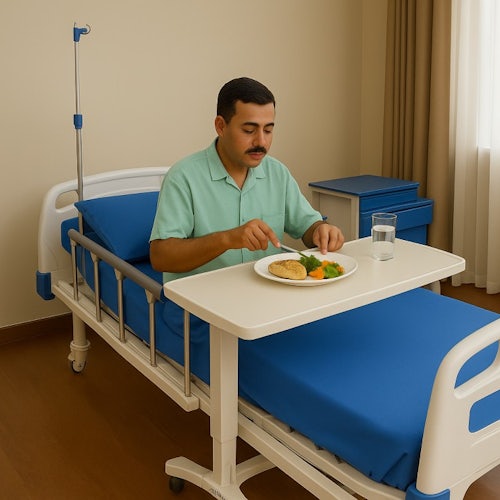
Hospital Food Table / Tray / Trolley for Patients
The Importance of Ergonomic Hospital Bed Design The Importance of Ergonomic Hospital Bed ...

General
Rent or Buy a Hospital Bed – Which is Better?
The Importance of Ergonomic Hospital Bed Design The Importance of Ergonomic Hospital Bed ...

General
Adjustable Medical Beds for Elderly and Bedridden Patients at Home
The Importance of Ergonomic Hospital Bed Design The Importance of Ergonomic Hospital Bed ...

General
Hospital Bed Mattresses in Chennai – A Buyer’s Guide by KRAFT Supplier, Tamil Nadu
The Importance of Ergonomic Hospital Bed Design The Importance of Ergonomic Hospital Bed ...

General
Advantages of Hospital Beds in Home
The Importance of Ergonomic Hospital Bed Design The Importance of Ergonomic Hospital Bed ...

General
Hospital Bed Price in India: A Complete Guide
The Importance of Ergonomic Hospital Bed Design The Importance of Ergonomic Hospital Bed ...

General
Why ‘Where Can I Buy a Hospital Bed Near Me?’ Is No Longer Important
The Importance of Ergonomic Hospital Bed Design The Importance of Ergonomic Hospital Bed ...

General
CSR in Action: 1 Bed for 1000 People – Bridging India’s Critical Healthcare Infrastructure Gap
The Importance of Ergonomic Hospital Bed Design The Importance of Ergonomic Hospital Bed ...

General
Discover the Benefits of Vertical and Horizontal Autoclave Hospital Machines with Us – Trusted Manufacturers in Chennai
The Importance of Ergonomic Hospital Bed Design The Importance of Ergonomic Hospital Bed ...

General
Revolutionizing Patient Recovery: ICU Beds with Built-in Weighing Scales
The Importance of Ergonomic Hospital Bed Design The Importance of Ergonomic Hospital Bed ...

General
Artificial Intelligence in Medicine: The Future of Healthcare is Here
The Importance of Ergonomic Hospital Bed Design The Importance of Ergonomic Hospital Bed ...

General
The Vital Importance of Emergency Crash Carts in Hospitals
The Importance of Ergonomic Hospital Bed Design The Importance of Ergonomic Hospital Bed ...

General
How to Prevent Bed Sores in Bedridden Patients- Methods & Care Product
The Importance of Ergonomic Hospital Bed Design The Importance of Ergonomic Hospital Bed ...

General
GBS Outbreak in Recent News: What You Need to Know
The Importance of Ergonomic Hospital Bed Design The Importance of Ergonomic Hospital Bed ...

General
The health benefits of chocolate
The Importance of Ergonomic Hospital Bed Design The Importance of Ergonomic Hospital Bed ...

General
How to stay safe and also free from anxiety in times of Corona Virus
The Importance of Ergonomic Hospital Bed Design The Importance of Ergonomic Hospital Bed ...

Weight gain during pregnancy - What to expect when you’re expecting
The Importance of Ergonomic Hospital Bed Design The Importance of Ergonomic Hospital Bed ...

General
What Is Antenatal Yoga? How Can You Pick A Good Antenatal Class?
The Importance of Ergonomic Hospital Bed Design The Importance of Ergonomic Hospital Bed ...

India - A Fast Growing Medical Touring Hub
The Importance of Ergonomic Hospital Bed Design The Importance of Ergonomic Hospital Bed ...

General
Getting pregnant with a low sperm count - it is possible!
The Importance of Ergonomic Hospital Bed Design The Importance of Ergonomic Hospital Bed ...

General
3 Incredible Ways Virtual Reality Is Changing The Medical Industry
The Importance of Ergonomic Hospital Bed Design The Importance of Ergonomic Hospital Bed ...

General
Getting Pregnant with Irregular Cycles - Is it Possible?
The Importance of Ergonomic Hospital Bed Design The Importance of Ergonomic Hospital Bed ...

General
The Rise of Wearable Tracking Devices
The Importance of Ergonomic Hospital Bed Design The Importance of Ergonomic Hospital Bed ...

General
The Health Risks of Late Pregnancies
The Importance of Ergonomic Hospital Bed Design The Importance of Ergonomic Hospital Bed ...

General
Telehealth - A Stepping Stone to a Better Future
The Importance of Ergonomic Hospital Bed Design The Importance of Ergonomic Hospital Bed ...

General
Technology Advancements are Transforming the Entire Healthcare Industry
The Importance of Ergonomic Hospital Bed Design The Importance of Ergonomic Hospital Bed ...

General
Skip Dinner. Lose Weight.
The Importance of Ergonomic Hospital Bed Design The Importance of Ergonomic Hospital Bed ...

General
Optogenetics- Understanding the Human Brain
The Importance of Ergonomic Hospital Bed Design The Importance of Ergonomic Hospital Bed ...

General
Online Information through EHR and EMR
The Importance of Ergonomic Hospital Bed Design The Importance of Ergonomic Hospital Bed ...

General
Mobile Health App Adoption
The Importance of Ergonomic Hospital Bed Design The Importance of Ergonomic Hospital Bed ...